E-Waste Removal Services: Streamlining Your Recycling Process for a Cleaner Environment
E-waste collection services are transforming how people and companies manage their recycling efforts. These services simplify the disposal process while adhering to environmental standards. They not only ease the challenge of moving bulky electronic devices but also support sustainable habits. As consumers continue to prioritize green alternatives, comprehending the intricacies of these services becomes critical. What factors should one consider when choosing an e-waste pickup provider? What you discover could be unexpected.
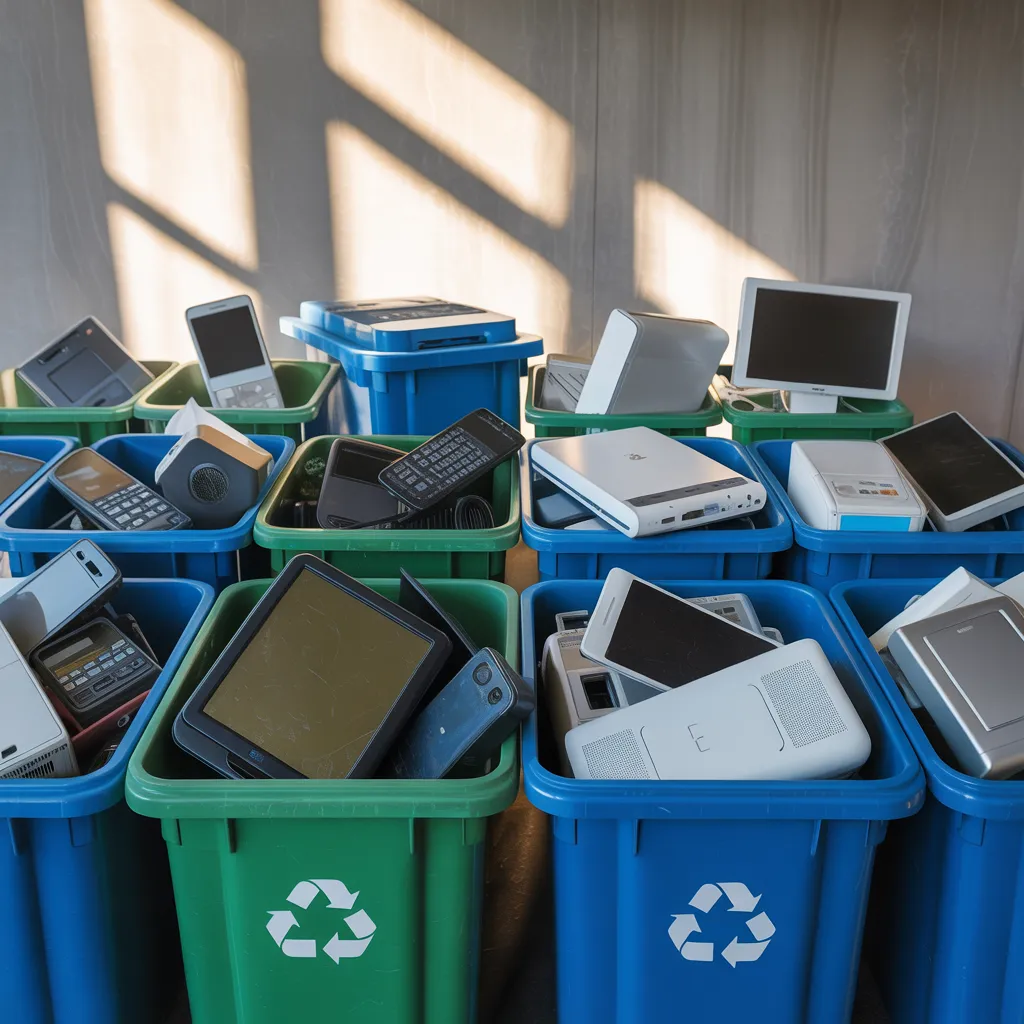
How E-Waste Pickup Minimizes Environmental Impact
E-waste collection services play a vital role in reducing the environmental impact of discarded electronics, as they enable the proper disposal and recycling of dangerous substances. These services help prevent dangerous chemicals, such as mercury, lead, and cadmium, from polluting soil and water sources. By systematically gathering and transporting electronic waste, they guarantee that harmful components are handled in compliance with environmental guidelines.
Moreover, electronic waste pickup services encourage material recovery by redirecting important materials, like gold, silver, and copper, back into the manufacturing process. This decreases the need for newly extracted raw materials, as a result preserving natural resources and decreasing energy consumption related to the mining and processing of materials.
Additionally, these services enhance community awareness about the significance of correct e-waste disposal, encouraging individuals and businesses to adopt sustainable practices. On the whole, e-waste retrieval services substantially promote a safer and cleaner environment by tackling the issues created by electronic waste.
Why You Should Use E-Waste Pickup Services
Electronic waste pickup services offer notable benefits for both individuals and businesses. These solutions offer practical pickup options, ensuring the removal of obsolete electronics is stress-free. Furthermore, they provide sustainable disposal solutions, contributing to the reduction of ecological damage caused by e-waste.
Practical Collection Alternatives
As individuals and businesses aim to properly manage their electronic waste disposal, leveraging pickup services delivers an effortless option. These services provide convenient collection options that fit various schedules and needs. Customers frequently have access to flexible pickup windows that serve both residential and commercial properties. This removes the hassle of hauling heavy items to recycling facilities, preserving precious time and energy. Additionally, many e-waste pickup providers offer same-day or scheduled appointments, enhancing accessibility. By simplifying the collection procedure, these services motivate more individuals to recycle their electronics, significantly lowering the environmental footprint of e-waste. The convenience of arranging and completing pickups fosters responsible waste management, positioning it as a sensible solution for those committed to building a cleaner environment.
Sustainable Disposal Practices
Using e-waste pickup services guarantees that electronic devices are managed with environmental responsibility. Such services are experts in managing multiple categories of electronic waste, ensuring that harmful substances, including lead and mercury are kept out of landfills. By partnering with certified recyclers, e-waste collection providers contribute to resource conservation by recovering valuable materials, minimizing the requirement for new raw materials. Furthermore, these services often comply with domestic and international guidelines, encouraging sustainable operations. Companies and individuals benefit from the ease of scheduled collections, alleviating the burden of transporting bulky items. Ultimately, choosing green disposal options through e-waste pickup providers fosters a culture of sustainability, encouraging responsible consumer behavior and reducing environmental impact.
What to Expect for E-Waste Pickup?
What does an e-waste pickup typically involve? Participants can expect a simplified procedure created to support the responsible recycling of electronic devices. At the outset, a scheduled pickup time will be established, making it simple to plan accordingly. On the day of the pickup, an experienced crew will arrive fully prepared to handle different kinds of electronic items, making sure they are safely transported with minimal disruption.
Clients are advised to prepare their e-waste by sorting items that need to be collected, as this can expedite the collection process. The retrieval team may provide guidance on which items are eligible and which are not. Precautionary protocols are frequently implemented, including personal protective equipment and correct handling practices for dangerous materials.
Additionally, transparency is of utmost importance; customers can expect to receive a confirmation or receipt of the devices collected, strengthening the pledge toward proper disposal. In summary, the electronic waste pickup service aims to simplify the electronics recycling journey while supporting eco-friendly practices.
Key Criteria for Selecting an E-Waste Pickup Service
How does one ensure they are choosing the most suitable e-waste pickup service? Selecting an appropriate service requires careful consideration of several key criteria. Initially, one must ensure the service holds the necessary certifications and meets local and national environmental requirements. This ensures that electronic waste is managed in a lawful and conscientious manner. Additionally, evaluating the company's standing through client feedback and testimonials offers valuable perspective on their dependability and expertise.
Furthermore, assessing the variety of services provided can prove advantageous; a comprehensive service might offer data destruction, recycling, and refurbishment choices. Additionally, clarity in pricing is essential; clear, upfront costs help avoid unexpected fees. Ultimately, evaluate the organization's responsiveness and customer support, as clear communication facilitates a more seamless collection process. By focusing on these criteria, organizations and individuals can reliably choose an e-waste collection service Get here that matches their environmental objectives.
How to Schedule Your E-Waste Pickup?
What is the optimal time to arrange an e-waste pickup? The timing of your pickup can significantly affect the efficiency of the recycling process. The ideal approach is for individuals to arrange pickups on weekdays, as service providers typically have more open slots during these days. Opting for early morning or late afternoon appointments can be advantageous, as traffic is usually lighter during these windows, resulting in more efficient service.
Furthermore, forward planning is important. Customers should aim to book pickups several days in advance, particularly during busy seasons or local recycling initiatives. This helps ensure that the designated service can fulfill specific requests and requirements.
Moreover, aligning the pickup with routine home tasks or organization activities can simplify the procedure. By coordinating the electronic waste pickup with personal schedules, individuals can ensure the recycling process is smoother and more convenient. In the end, careful planning supports a smoother electronic waste recycling process, cultivating a commitment to long-term environmental stewardship.
What's Next for E-Waste Recycling?
As the e-waste problem keeps expanding, emerging recycling technologies are set to revolutionize the sector. Expected regulatory developments could significantly strengthen recycling initiatives, while groundbreaking collection strategies aim to simplify e-waste disposal. Collectively, these changes stand to considerably enhance the productivity and success of e-waste recycling efforts.
Emerging Technologies in Recycling
Breakthroughs in modern technology are poised to transform e-waste recycling, boosting efficiency and sustainability. Sophisticated robotic systems and automated sorting technologies are progressively being incorporated into recycling facilities, facilitating the precise separation of recoverable resources from electronic waste. Artificial intelligence (AI) serves a vital function in streamlining these operations, supporting real-time decision-making and improving recovery rates. Moreover, innovative approaches such as hydrometallurgy and biotechnological approaches are designed to extract precious metals with limited harm to the environment. Blockchain technology is also being explored for monitoring electronic waste across the recycling process, guaranteeing traceability and responsibility. As these technologies evolve, they will markedly reduce the carbon footprint of e-waste disposal, establishing the groundwork for a greener tomorrow in electronic recycling.
Policy Changes Ahead
Legislators are gearing up to implement substantial legislative measures aimed at enhancing electronic waste recycling efforts. These measures seek to tackle the escalating issues associated with e-waste and the harm it causes to the environment. Suggested guidelines encompass stricter guidelines for manufacturers related to overseeing product end-of-life processes, pushing them to prioritize recyclability in design. Additionally, incentives for consumers to return old electronics are being evaluated, promoting habits of conscientious waste management. Officials may further expand budget allocations for recycling programs, seeking to broaden reach and improve effectiveness in e-waste collection. By promoting transparency and accountability in the recycling process, legislators aim to minimize landfill usage while enhancing material reclamation, ultimately leading to a more sustainable approach toward handling electronic waste sustainably in coming years.
Advanced Collection Techniques
Transforming e-waste collection methods is critical for boosting the efficiency and accessibility of recycling. Cutting-edge advancements, such as smartphone applications, support convenient retrieval services, enabling consumers to plan collection at their convenience. Furthermore, alliances with local enterprises and neighborhood centers create specific collection locations, making recycling more accessible. Smart receptacles integrated with detection systems can assess storage capacity, ensuring timely collection and reducing logistical challenges. Beyond that, gamification strategies promote involvement by rewarding individuals or communities for their recycling efforts. Such innovations not only streamline the collection process but also raise awareness about the importance of responsible e-waste disposal. As such progressive approaches become widespread, they herald a more eco-friendly era for e-waste management, thereby fostering a healthier environment.
Questions We Often Receive
What Types of E-Waste Are Accepted for Pickup?
E-waste pickup services typically accept items such as outdated computers, TVs, smartphones, tablets, printers, and assorted electronic accessories. Such services are designed to carefully recycle and handle electronic equipment in an eco-conscious way.
Are There Fees Involved With E-Waste Pickup Services?
Fees for electronic waste collection solutions are subject to change depending on geographic region and the category of electronics being picked up. Certain providers may provide no-cost retrieval, while others may charge fees depending on the volume or specific items.
How Is Data Security Maintained During E-Waste Disposal?
Data security during e-waste disposal is guaranteed via methods such as secure data erasure, physical demolition of storage media, and verification from certified recyclers, securing critical information and deterring unauthorized access to individual and organizational data.
Are E-Waste Pickup Services Available for Businesses?
Absolutely, companies can take advantage of e-waste removal services. These services are designed specifically for businesses, guaranteeing the proper disposal and recycling of electronic devices while encouraging eco-friendly practices and compliance with regulations regarding safe e-waste management practices.
What Occurs with E-Waste Once It Has Been Collected?
Once e-waste has been collected, it is sorted for recyclable materials, followed by dismantling and refinement. Dangerous components are carefully and safely disposed of, while recyclable metals and plastics are reclaimed and repurposed, supporting sustainable resource management initiatives.